


Sertraline is one of the most commonly prescribed antidepressants in the UK.
It is used to treat a range of mental health issues, including depression, anxiety, panic attacks, OCD and post-traumatic stress disorder (PTSD).
It has helped millions of people up and down the country to manage their mental health symptoms and improve their overall quality of life.
If you have recently been prescribed sertraline, then you might be wondering whether it’s safe to drink alcohol whilst taking sertraline.
Lots of people get anxious when they have an upcoming social event ahead or a holiday planned when alcohol might be present.
For this reason, lots of people might wonder whether or not you can drink alcohol whilst taking sertraline.
However, it is important to understand that drinking alcohol whilst taking sertraline is generally not recommended.
Whilst some people say that drinking alcohol whilst taking sertraline is fine, and don’t experience any significant issues, it is important to understand that drinking alcohol can increase your side effects, worsen your mental health symptoms and reduce how effective your medication is.
For individuals already struggling with an alcohol addiction, combining alcohol with sertraline can create a range of additional issues that may require professional detox and rehab treatment in order to be treated.
In this blog, we will explore everything you need to know about drinking alcohol whilst taking sertraline, including the health risks and treatment options.
What Is Sertraline?
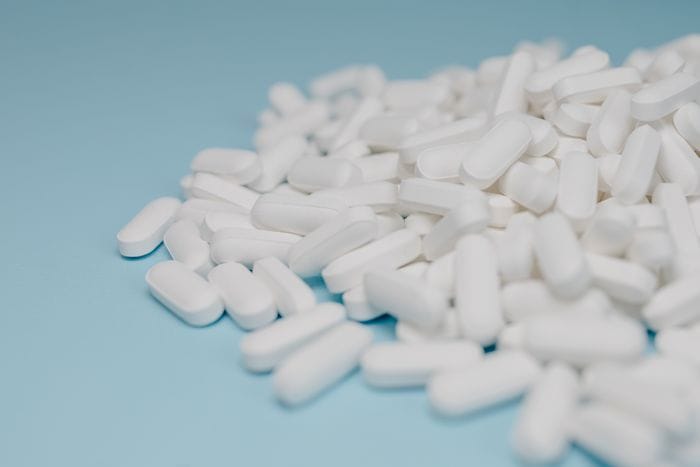
Sertraline belongs to a group of medications known as Selective Serotonin Reuptake Inhibitors (SSRIs). They work by increasing the amount of serotonin in the brain.
Serotonin is the neurotransmitter that is responsible for your mood regulation, your emotional wellbeing and the quality of your sleep.
It is important to note that sertraline is only available on prescription. If you gain access to this medication any other way than through a doctor, then it is being obtained illegally [1].
Doctors commonly prescribe sertraline to help treat a range of issues including depression, anxiety, panic disorder, PTSD and OCD.
Most people are prescribed 50mg of sertraline per day, although this might be adjusted depending on the individual’s circumstances and the severity of their symptoms.
For many people, sertraline can take several weeks to become effective. When it comes to most medications, consistency is important, which is one of the reasons why healthcare professionals often advise caution when it comes to introducing alcohol.
Can You Drink Alcohol Whilst Taking Sertraline?
Technically, alcohol is not always strictly prohibited when taking this type of medication. However, doctors and other medical professionals generally advise people to avoid drinking alcohol whilst taking sertraline [2].
This is because both substances affect the central nervous system and can lead to drowsiness, dizziness, coordination issues, concentration issues, fatigue, anxiety, depression and mood swings [2].
Some people find that they become intoxicated and drunk more quickly than usual when they take sertraline alongside alcohol, whilst other people experience stronger hangovers, more anxiety or emotional instability after they drink alcohol.
For those who are working towards long term recovery from an alcohol addiction, avoiding alcohol whilst taking sertraline can provide a stronger foundation for recovery.
Recovery often starts by rebuilding your physical health, whilst improving your emotional resilience and developing healthier coping mechanisms. Alcohol can interfere with each of these areas, making it harder to achieve lasting progress.
Why Alcohol and Sertraline Can Be a Problem
It is important to remember that alcohol is classed as a depressant [2], meaning that whilst drinking alcohol might initially create feelings of relaxation or confidence, it ultimately slows down your brain activity and can negatively impact your thoughts and your mood.
This becomes particularly problematic for anyone who might already be taking antidepressants. Sertraline is designed to help improve emotional wellbeing and stabilise mood. However, alcohol can interfere with this process and potentially counteract some of these benefits.
For individuals already struggling with depression or anxiety, drinking alcohol may contribute to increased depression, anxiety, panic attacks, sleep issues, irritation and low motivation.
In some cases, drinking alcohol alongside sertraline can make your mental health symptoms significantly worse, leading you into a cycle where individuals drink to cope with their issues, only to find that those symptoms get worse.
Whether you have recently completed a detox programme, are currently attending rehab or are simply trying to reduce your alcohol intake, giving your medication the best opportunity to work effectively will help to support your overall wellbeing.
Can Alcohol Stop Sertraline Working?
One of the biggest concerns surrounding alcohol consumption is that it may interfere with medication such as sertraline.
Sertraline works best when it is taken consistently and when it is supported by healthy lifestyle choices, including avoiding alcohol, eating healthily and exercising regularly.
If you suffer from an addiction issue, then heavy drinking can also undermine your recovery by distributing your sleep, increasing your anxiety, lowering your mood, and reducing your motivation to recover.
People who drink heavily may struggle to determine whether their symptoms are caused by their mental health condition, alcohol consumption or the medication itself. This confusion can only make your treatment more difficult and delay your treatment and recovery.
Is One Drink Safe on Sertraline?
This is another common question that people ask. Unfortunately, there is not one universal answer because everyone responds differently to drinking alcohol.
For some people, a small amount of alcohol can cause some serious issues for some individuals, whereas for others it might not. There is no guarantee that the same experience will apply to everyone.
If someone chooses to drink one unit of alcohol whilst taking sertraline, they should start with a very small amount, avoid binge drinking, monitor how you feel and speak to your doctor if you are concerned.
Those people who have recently started taking sertraline should be particularly cautious when it comes to drinking alcohol. Likewise, during the first few weeks of your treatment, side effects are often more noticeable, and alcohol will likely make them worse.
Alcohol Addiction and Mental Health
It is well researched that mental health issues and alcohol addiction frequently occur together.
This is because a lot of people use alcohol to cope with their anxiety, depression, trauma, stress or even their loneliness. Unfortunately, alcohol does not provide a long term solution.
Instead, it often worsens the underlying issues and root causes of your addiction. When someone suffers from a mental health issue alongside an addiction issue, it is often referred to as dual diagnosis.
A dual diagnosis is the best treatment option for those suffering from both addiction and mental health issues, as treating only one issue while ignoring the other often leads to poor outcomes, increasing the risk of a relapse later down the line.
When Drinking Turns into an Addiction
Many people wrongly assume that addiction only affects those who drink heavily every day. However, in reality, addiction can develop slowly and subtly.
There are a number of warning signs that you are addicted to alcohol, including some of those listed below for you:
Drinking more than you should on a regular basis
- Tremors
- Lying to family and friends
- Struggling to manage work and home life
- Anxiety
Using alcohol to cope with your emotions
Failed attempts to cut down on your drinking
- Sickness and insomnia
- Depression
- Experiencing withdrawal symptoms
A Medical Detox for Alcohol Addiction
For anyone who has developed an alcohol addiction, stopping suddenly can be dangerous. This is because withdrawal from alcohol can cause some serious health complications.
This is why medical detox is often recommended. During your medical detox, healthcare professionals will monitor your withdrawal symptoms and provide support and treatment throughout the process, so that your withdrawal symptoms don’t escalate.
The goal of the detox process is to remove alcohol from the body safely whilst minimising any discomfort and reducing the risk of relapsing.
Rehab Therapy
Whilst the medical detox addresses the physical side of your addiction, it is important to acknowledge that addiction also impacts your mental health.
Without addressing the emotional and psychological aspects of your drinking, a relapse becomes a lot more likely.
This is where therapy comes into play. Inpatient drug and alcohol rehab provides a structured environment where individuals can gain access to therapy and focus entirely on their recovery.
There are now a range of therapy techniques, including one to one therapy, group therapy, cognitive behavioural therapy, family therapy and holistic therapy.
Many people who enter drug and alcohol rehab suffer from underlying anxiety and depression that has contributed to their drinking over the years.
Addressing these underlying issues alongside professional addiction treatment often leads to stronger long term outcomes and reduces the chance of relapsing later down the line.
Can Sertraline Help During Addiction Recovery?
In some cases, yes. Sertraline can help some people during addiction treatment and recovery.
This is because many people entering alcohol rehab experience co-occurring mental health conditions, such as depression, anxiety, panic attacks and even PTSD.
When prescribed properly by a doctor or medical professional, sertraline may help manage these symptoms.
By taking it, you might improve your mental health which will strengthen your recovery efforts and make it easier to engage with therapy going forward.
However, it is important to remember that medication works best when it is combined with a comprehensive treatment plan, rather than being used as a standalone solution.
Tips For Staying Safe Whilst Taking Sertraline
If you are taking sertraline, then there are a number of things that you should do to ensure that you are taking the medication safely and effectively.
- Follow medical guidance by always taking medication exactly as prescribed.
- Avoid any heavy drinking including excessive alcohol consumption.
- Monitor your side effects by paying particular attention to any changes in your mood, your energy levels and your overall wellbeing.
- Prioritise your sleep.
- Seek support early on, as early intervention can make recovery much easier.
By following the above tips, and taking sertraline responsibly, then you should remain safe whilst taking sertraline.
If you are following the above steps but still find consuming the medication challenging or difficult for whatever reason, then you should speak to your doctor or medical professional as soon as possible.
Conclusion
A lot of people who are prescribed sertraline wonder if they can safely drink alcohol whilst taking the medication.
Whilst some individuals are able to tolerate small amounts of alcohol, drinking whilst taking sertraline is generally not recommended.
This is because alcohol can increase your side effects, interfere with your treatment progress and worsen your symptoms, including anxiety and depression.
For those already struggling with an alcohol addiction, combining alcohol with medication such as sertraline can create additional health risks and make your recovery more difficult.
If alcohol has become a regular coping mechanism for you, then it may be worth exploring professional addiction treatment support.
A medically supervised detox followed by therapy can help to address both the physical and psychological side of your addiction, as well as any underlying factors driving it.
At OK Rehab, our team of specialist advisers understand the complex relationship between mental health and addiction.
Whether you are concerned about your own drinking, or someone else’s, suffering from an addiction is not necessary and addiction support is available if you ask for help.