


Zopiclone is a prescription drug that is less commonly known compared to other addictive substances.
It is a sleeping tablet that is commonly used to treat a range of short-term issues, including insomnia.
Whilst Zopiclone can be effective when it is taken exactly as prescribed by a doctor, some people abuse the drug in an attempt to increase its effects.
One increasingly concerning issue is that more and more people are starting to snort zopiclone tablets.
Many people assume that because zopiclone is prescribed by doctors, that it carries little risk to your health Unfortunately, this is not true.
This belief can lead to dangerous behaviours, including an addiction, the risk of an overdose and serious health complications later down the line.
Snorting zopiclone places the body under a lot of strain and can lead to an addiction if it is not managed correctly.
It may also cause damage to the nose, throat and breathing system whilst also increasing the likelihood of experiencing harmful side effects.
In this blog, we will explore the different dangers of snorting zopiclone, the signs of an addiction and the different treatment options available to those who are struggling with an addiction to Zopiclone.
What Is Zopiclone?
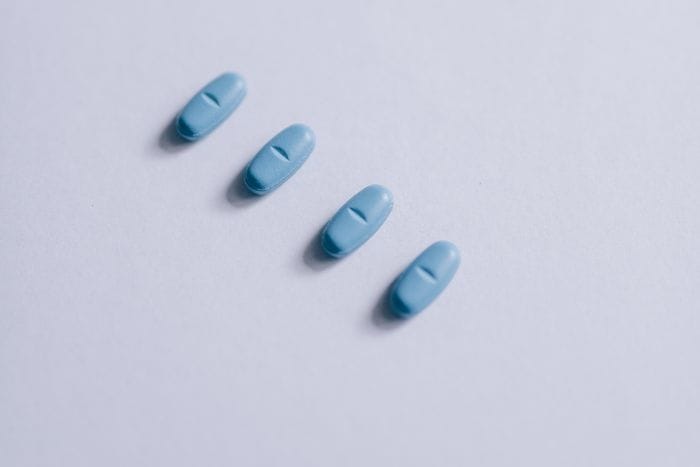
Zopiclone is part of a group of medications known as Z-drugs. These types of substances impact the central nervous system and are prescribed to help people who experience severe sleeping issues [1].
This substance works by increasing the activity of gamma-aminobutyric acid (GABA).
This is a neurotransmitter that slows down brain activity, therefore promoting relaxation and sleep for individuals who might otherwise struggle to sleep naturally [1].
In the UK, zopiclone is generally prescribed for short-term use only. Most people are prescribed Zopiclone for no longer than two to four weeks.
This is because the body can quickly develop tolerance to the drug, meaning that larger amounts are required to achieve the same effect.
Whilst zopiclone is not technically a benzodiazepine, it produces many similar effects to a benzodiazepine and carries many of the same risks associated with excessive use and addiction.
Can You Snort Zopiclone?
It is physically possible to snort Zopiclone, although it is not recommended.
Whilst people are able to crush zopiclone tablets into a powder and inhale them through the nose, it can be incredibly dangerous to do so [2].
This is because Zopiclone tablets are designed to be swallowed, not snorted. They contain inactive ingredients and fillers that are intended to pass through the digestive system, not the respiratory system.
When Zopiclone is inhaled, it is likely to aggravate and damage the delicate tissues within the nose and the airways [2].
Many people who snort zopiclone believe it will create a faster or stronger effect. However, this is simply not the case. Whilst absorption can occur more quickly in some cases, the risks increase considerably.
Snorting Zopiclone can lead to an addiction and a rapid tolerance, which is why it is not recommended.
Why Do People Snort Zopiclone?
There are a number of different reasons why someone snorts zopiclone.
For example, some people abuse the medication for fun, or simply just in pursuit of a stronger sedative effect.
However, others might already have an addiction issue and find that taking tablets orally no longer produces the desired results, so they turn to snorting Zopiclone to get a stronger sensation.
Regardless of the reason, it is important to remember that snorting zopiclone dramatically increases the risks of developing an addiction to the substance and is not recommended in any circumstances.
The Immediate Dangers of Snorting Zopiclone

It is important to understand that the effects of snorting zopiclone can happen very quickly, and they often come with some very serious health issues and consequences.
Below are just some of the most severe health consequences of snorting Zopiclone:
1. Nasal Damage
Many people damage the lining of the nose by snorting Zopiclone. The lining of the nose is extremely sensitive and repeatedly inhaling crushed tablets into the nose can cause irritation, inflammation and long term damage to tissue within the nose.
Over time, this can result in nosebleeds, chronic congestion in the nose, frequent sinus infections, loss of smell and damage to your nasal septum.
In severe cases, long-term snorting can lead to permanent structural damage to the nose, which will require surgery in the future.
2. Increased Sedation
Zopiclone is already a powerful sedative. Taking it through the nose can increase the likelihood of excessive drowsiness, confusion and even dizziness and impaired coordination.
This creates significant risks when it comes to everyday tasks such as looking after loved ones, driving, operating machinery and even increasing your risk of having a fall.
3. Blackouts and Memory Issues
One of the well-known side effects of zopiclone is memory issues, which can be long term. People who misuse the drug will likely experience blackouts, memory issues and episodes they cannot remember afterwards.
This can lead to an increase in risky behaviour and accidents that can happen without the individual remembering at all what happened. This is particularly worrying if you live on your own, or if you look after children or other loved ones.
The Long-Term Risks of Snorting Zopiclone
While the short term dangers are incredibly serious, the long term consequences of snorting a substance like Zopiclone can be just as dangerous and damaging:
1. Rapid Increased Tolerance
A tolerance develops when the body becomes used to a drug’s presence within the body.
As the tolerance increases, larger amounts of zopiclone will be needed to achieve the same effects. This often leads to an increase in use and a greater likelihood of developing an addiction in the longer term.
2. Psychological Issues
Many people begin relying on zopiclone not only for sleep but also for managing a range of mental health issues, including depression, stress, anxiety and other mental issues and difficulties.
Over time, individuals will start to feel unable to function without the use of the drug. These mental health issues will likely have a significant impact on your relationships, your work performance and your overall wellbeing.
3. Addiction
Finally, one of the most serious risks associated with snorting zopiclone is that you are more likely to develop an addiction.
When someone is addicted to a substance, they will continue taking the drug even when it is clearly causing them health problems, financial or relationship issues.
Simply put, they don’t feel able to stop consuming the addictive substance even though they can see that it is doing them harm.
Signs That Someone is Addicted to Zopiclone
There are a number of signs that someone is suffering from a Zopiclone addiction, and recognising these signs early on can make a huge difference when it comes to the effectiveness of the individual’s addiction treatment [3].
The most common signs and symptoms that someone is addicted to Zopiclone are listed below for you:
- Taking more zopiclone than has been recommended
- Craving Zopiclone
- Visiting lots of different doctors to get hold of additional prescriptions
- Neglecting your home and work responsibilities
- Frequent mood swings
- Lying on a frequent basis
- Continuing to use the substance despite understanding the negative consequences
- More than one failed attempt to stop taking the substance
If you recognise any of the above signs and symptoms in yourself or anyone that you know, then you should try to gain access to professional support and treatment as soon as possible.
What Happens During Zopiclone Withdrawal?
Unfortunately, many people underestimate just how difficult a zopiclone withdrawal can be.
When the body becomes dependent on an addictive substance, suddenly stopping taking it can trigger a wide range of uncomfortable and potentially dangerous withdrawal symptoms.
There are a number of common withdrawal symptoms, including some of those listed below:
- Anxiety
- Panic attacks
- Excessive sweating
- Tremors
- Insomnia and sleep issues
- Feeling panicky and irritated
- Sickness and nausea
- Heart palpitations
In more severe cases when someone is withdrawing from a severe addiction, withdrawal can also involve hallucinations, seizures or severe psychological distress, which can be life-threatening. This is why a medically supervised detox is often recommended.
Why a Professional Detox Is Important
As discussed above, attempting to stop abusing Zopiclone without professional support can be challenging and, in some cases, it can be life-threatening.
A professional detox provides around-the-clock care and medical supervision that will closely monitor your withdrawal symptoms.
Rehab and healthcare professionals will monitor the severity of your symptoms, provide you with withdrawal medication where appropriate and will help to reduce the chances of you relapsing later down the line.
For many individuals overcoming an addiction to Zopiclone, the medical detox represents the first step towards long term recovery.
Therapy for Zopiclone Addiction

Whilst the medical detox addresses the physical side of your addiction, it does not address the underlying causes of your addiction. This is where therapy comes in.
Rehab therapy provides a structured environment where individuals can focus entirely on their recovery, without any outside distractions or triggers.
This will likely include a range of therapy techniques, including one to one therapy, cognitive behavioural therapy, group therapy and relapse prevention planning.
It is important to understand that your therapy will usually last for months, or even sometimes years in order to help you to overcome the root causes of your addiction and help you to navigate the world without any addictive substances.
The Link Between Mental Health and Zopiclone Abuse
As many people know, there is a strong link between abusing addictive substances and suffering from mental health issues.
Many people who develop a zopiclone addiction initially start taking the medication for genuine sleep difficulties, although some start taking it in order to help them to overcome their mental health issues.
Likewise, insomnia itself is often connected to a number of underlying mental health conditions, including anxiety, depression, PTSD, stress or even grief.
Without addressing these underlying issues, you are unlikely to fully recover from your addiction.
Effective drug and alcohol rehab programmes therefore treat both addiction and mental health concerns at the same time, in what is commonly referred to as a dual diagnosis.
Can You Overdose on Zopiclone?
Yes, it is possible to overdose on Zopiclone. The chances of overdosing on the substance becomes more likely the more you take, the longer you take it for and if you combine taking it with other addictive substances.
There are a number of signs and symptoms that someone is at risk of an overdose, including extreme drowsiness, confusion, slurred speech, loss of consciousness, slow breathing and falling into a coma.
It is important to understand that an overdose is a medical emergency and requires immediate intervention from medical professionals. If someone you know or come across is unresponsive after taking Zopiclone, then you should call 999 immediately.
How to Help Someone Struggling with a Zopiclone Addiction
Watching a loved one battle an addiction issue can be incredibly distressing.
If you suspect that someone you know is abusing Zopiclone or any other addictive substance for that matter, then try to approach the situation calmly and without judgement.
You should try to encourage an open conversation and express concern, rather than criticism or anger.
You should try to encourage them to seek out professional help, learn about addiction yourself and support any treatment decisions they make.
It is important to understand that addiction recovery often starts when someone feels understood, loved, cared for and supported rather than blamed or judged.
Recovery Is Possible
Whilst being addicted to Zopiclone can have some very serious health consequences, it is important to understand that recovery is achievable with the right help and support.
Thousands of people each year successfully recover from an addiction issue after completing medical detox and therapy sessions.
As a result, they go on to live healthy and happy lives. It is also important to understand that seeking help and support early on can reduce the risk of any long term health risks and will also reduce the risk of relapsing.
Conclusion
As discussed above, whilst snorting Zopiclone can seem harmless to some people, the reality is very different.
Doing so can damage your nose and respiratory system, increase your tolerance rapidly, increase the risk of an overdose and contribute to a serious addiction.
If you or someone you know is struggling with an addiction to Zopiclone, then seeking professional help via a rehab programme can be the first step towards a lasting recovery.
References
[1] https://www.nhs.uk/medicines/zopiclone/